Transmission 101
Transmission is the backbone of Texas’s electric system, carrying power from where it’s generated to where it’s needed most. Whether the energy comes from natural gas, wind, solar, geothermal, or any other source, the transmission system doesn’t discriminate—it simply moves electricity across the state to keep homes, businesses, and communities powered.
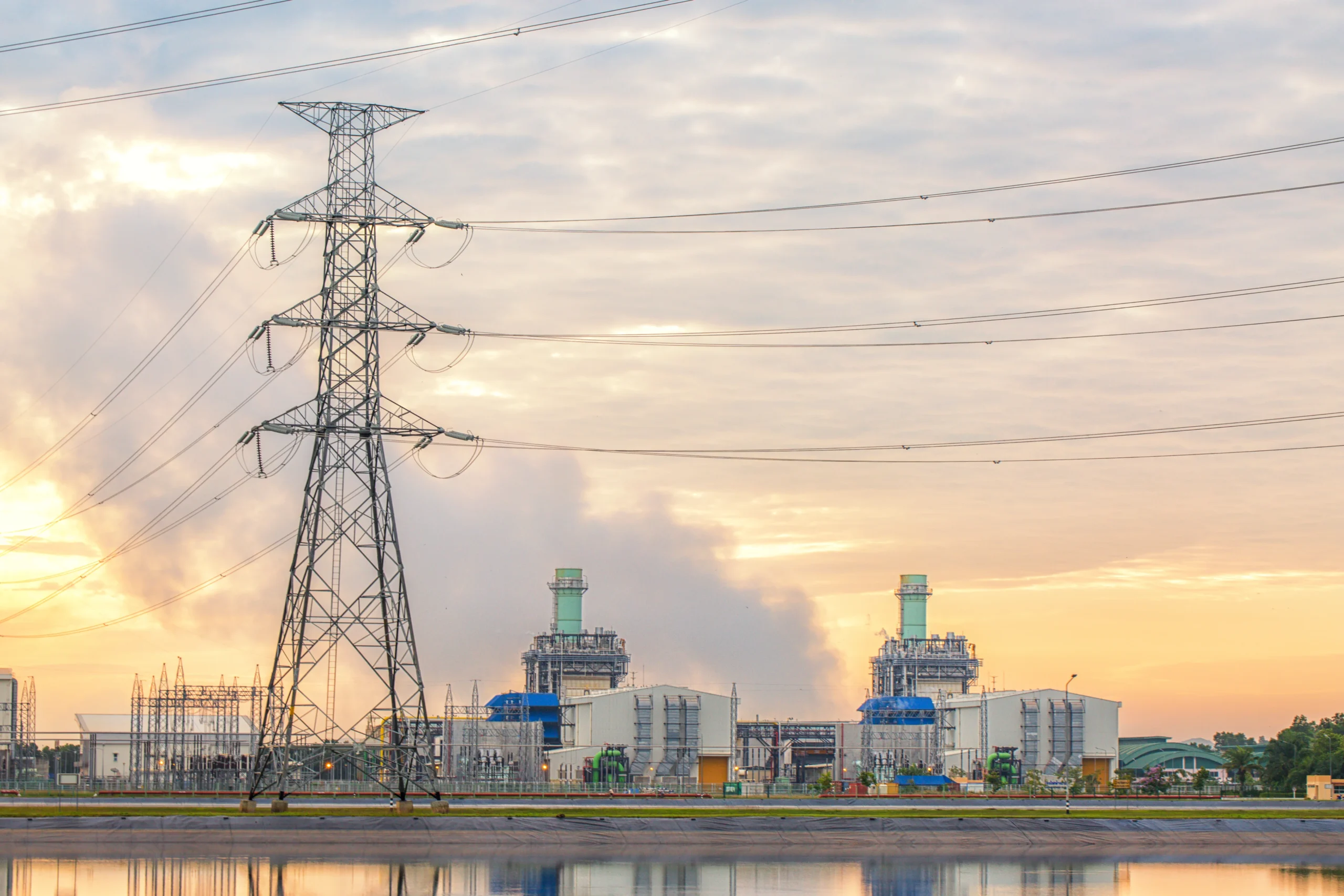
A complex network of transmission lines powers our daily lives. Miles of high-capacity power lines transport energy form where it is produced first to the smaller distribution lines we see in our communities and then in our homes, schools, and businesses.
Much of our nation's transmission and distribution lines, however, were constructed in the 1950s and 1960s and have reached or exceeded their intended 50-year lifespan. Amid the ongoing electrification of transportation, home heating, and the industrial sector, the U.S. will require a vastly expanded and modernized grid to power our future energy needs.
How is transmission planned?
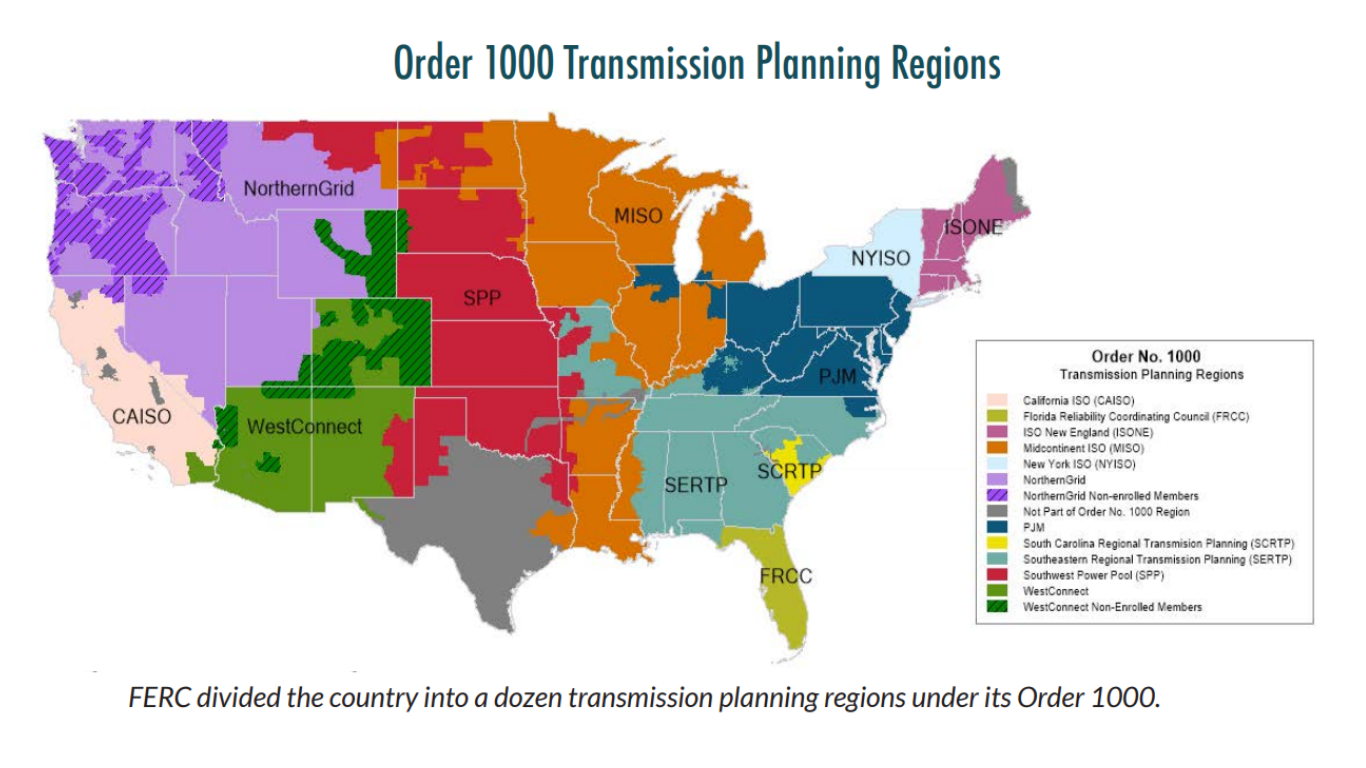
The U.S. is divided into nearly a dozen transmission planning regions, which are responsible for planning broader transmission strategy and specific projects. Comprehensive planning is more effective in "regional transmission organizations," RTOs. In other areas, traditional utilities focus on planning for their systems, and regional planning is less effective. Private companies known as merchant transmission developers also build new lines.
How is transmission paid for?
Traditional utilities recover their costs directly from electric usage customers that will benefit from the new lines. In RTOs, transmission developers share costs throughout the region. Merchant transmission developers negotiate rates directly with generators, who then pass the costs along to those who buy their power.
How is transmission sited and permitted?
State and local regulatory authorities must approve transmission projects that pass through their jurisdiction. This balkanized process requires many approvals for one project. The Federal Energy Regulatory Commission (FERC) has some limited authority to approve transmission projects when state/local bodies fail to act on an application in a timely manner, but FERC has never used this power.
In Texas, the Public Utility Commission is the regulatory body that permits new transmission construction.
Who regulates transmission?
Under federal law, “the transmission of electric energy in interstate commerce” is subject to federal jurisdiction, and the rest lies with the states.
- Congress can pass laws that impact transmission, including how it is planned, permitted, and paid for.
- FERC establishes policies that govern how transmission is planned and how costs are allocated.
- Where transmission crosses federal lands or federal environmental laws are triggered, other federal agencies can govern siting and permitting parts of transmission projects.
- The Public Utility Commission regulates electric utilities, including how they can collect costs from customers.
- State agencies – and some local governments too! – site and permit these projects.

Obstacles to Transmission Expansion
- Planning: Most regions have been insufficiently forward-looking in their transmission planning, failing to account for anticipated future demands on the grid. The majority of recent transmission projects have been smaller-scale intra-regional lines as opposed to the long-distance, high-capacity ones needed to transport power across the U.S.
- Permitting: The cumbersome transmission siting process requires a project to receive approval from every state and/or locality along its path. Environmental reviews during the permitting process often take much longer than they should. As a result, some transmission lines take over a decade to build while hundreds of gigawatts of power — most of it wind and solar — is stuck waiting to connect to the grid.
- Financing and Reducing Costs: Building transmission is very expensive, and we need clearer policies guiding distribution of those costs, in a way commensurate with the benefits provided. Congress could also establish an investment tax credit to reduce the private share of the cost of this necessary public infrastructure.
The Benefits of Transmission
- Prevents power outages during increasingly frequent and severe weather threats.
- Ensures energy security by mitigating the impact of cyber or physical attacks on individual substations.
- Protects national security by allowing the U.S. to fully develop its domestic energy resources.
- Allows clean energy resources to connect to the grid and reach population centers across the country.
- Reduce harmful pollution by allowing older, dirtier generating units to be retired.
- Decrease consumer electricity bills by providing access to lower-cost, geographically diverse energy resources.
- Creates good-paying jobs in the construction and long-term operation of transmission.
- Supports local economic development opportunities.


Challenges
Texas’s transmission system is outdated, overloaded, and unable to meet the demands of a fast-growing, modern economy. Built decades ago, it hasn’t kept pace with rising population, energy needs, or reliability standards. Many parts of the grid are at capacity, blocking new energy—traditional or renewable—from reaching consumers. Right of First Refusal (ROFR) laws make the problem worse by giving a handful of companies monopoly control over transmission projects, limiting competition and driving up costs.

Solutions
Strategic investment in transmission has delivered results for Texas before—and it can again. In the early 2000s, the state’s $6.9 billion Competitive Renewable Energy Zones (CREZ) initiative added 3,600 miles of high-voltage lines, easing congestion, unlocking low-cost wind power, and saving Texans billions. These lines paid for themselves in under a decade and continue to deliver value today.
Now, with an estimated $40 billion in new transmission investment on the horizon, Texas must ensure competition in the marketplace to secure the most cost-effective, reliable solutions for ratepayers. Texans for Affordable Transmission supports free market policies to open the door to innovation, lower costs and more competition, and a stronger, more resilient energy future for all Texans.